
Raw land is the one purchase where the listing photos tell you almost nothing. What matters is whether it perks, whether power and water can reach it, whether you have recorded legal access, and what the tax bill looks like the year after you close. Ron Mitchell represents land and lot buyers across Rockwall County and the acreage corridor east of Dallas.
Buying a house and buying dirt are different transactions that happen to use similar paperwork. With a house, most of what you are buying is visible, an inspector can walk it in three hours, and a lender orders an appraisal that catches obvious problems. With land, almost everything that determines value is invisible from the road. Soil type decides what kind of septic system you can install and what that costs.
Ron Mitchell with VIP Realty represents land and lot buyers throughout Rockwall County and the surrounding acreage markets. You get a feasibility review on every tract you are serious about, covering utility access, septic viability, floodplain, recorded easements, legal ingress and egress, deed restrictions, and the current agricultural valuation status along with your rollback exposure. That work happens before you write an offer, not after you are already committed. Ron also connects you with lenders who finance raw and unimproved land. Before making an offer, reviewing home values can also provide useful context for evaluating the property’s overall market position.
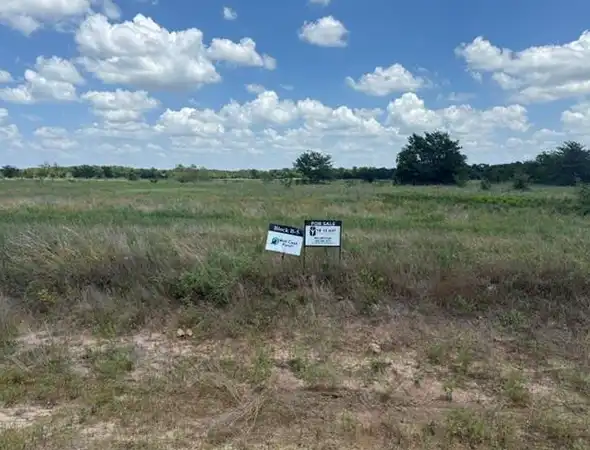
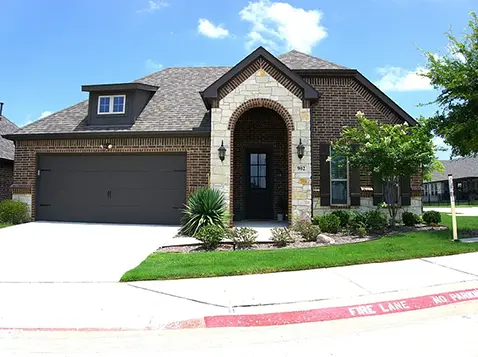
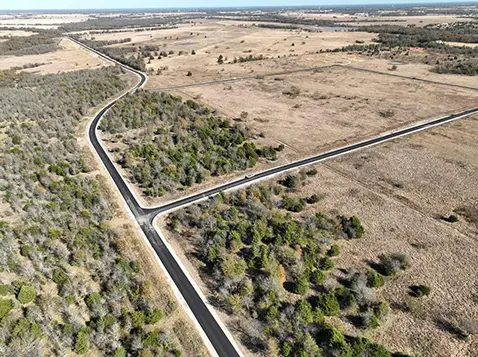
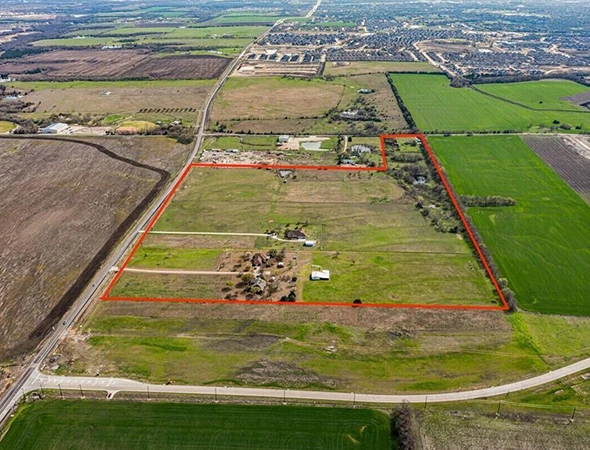
Whether the Tract Can Actually Support a Septic System
Soil type governs everything here. Heavy clay may rule out a conventional system and require a more expensive aerobic system with an ongoing maintenance contract. Ron flags likely soil constraints early so you can budget for a real site evaluation before you are emotionally attached to a property.
What It Genuinely Costs to Get Power and Water to the Building Site
Distance to the nearest electric line, whether service runs overhead or underground, and whether a rural water supply corporation has capacity and is selling meters. These are quotable numbers, and getting them before closing keeps a site development budget from doubling.
Whether You Have Recorded Legal Access
A dirt road that everyone has always used is not the same as a recorded easement. Ron confirms legal ingress and egress on the survey and in the title commitment, because a landlocked tract is extremely difficult to build on, finance or resell.
What the Property Tax Bill Looks Like After You Buy
Land under an agricultural valuation is taxed on productivity value rather than market value, which can be a fraction of the standard bill. Change the use and you may trigger rollback taxes plus interest. Ron identifies the current valuation status and your exposure before you write the offer.
What Is Hiding in the Title Commitment
Pipeline and utility easements, shared water agreements, severed mineral interests, restrictive covenants and prior reservations all sit in the exceptions section of the title commitment. Ron reads it with you and explains which items affect where you can build and which do not.
Define the End Use and Line Up Land Financing
We start by getting specific about what the property has to do, whether that is a homesite, acreage for animals, recreational use or a long term hold. That answer changes.
Tour Tracts and Verify Before You Offer
You walk properties that fit the brief. On any tract you are serious about, Ron runs the feasibility review covering utilities, soil and septic, flood zone, access, easements, deed restrictions.
Survey, Title and Close
Ron orders a new boundary survey, reviews the title commitment exceptions with you, coordinates the site evaluation and any well or utility quotes, and manages the lender and title company through to funding.
The single largest ongoing cost of owning acreage in Texas is property tax, and the agricultural valuation is what keeps it manageable. It is commonly called an ag exemption, but it is not an exemption at all. It is a special appraisal method that taxes qualifying land on its agricultural productivity value instead of its market value, which on a well located tract can be a very large difference.
Qualifying under the open space provision generally requires that the land has been used primarily for agriculture to the degree of intensity typical for the area during five of the preceding seven years, and each county appraisal district sets its own minimum acreage and intensity standards, so what qualifies in one county may not qualify in the next. Ron identifies the current valuation on every tract you consider, explains what maintaining it requires and calculates your rollback exposure before you make an offer.
Land does not finance like a house, and this is where most first time land buyers get stopped. Conventional mortgage products are built around an occupied dwelling, so a raw or unimproved tract usually falls outside them entirely. The realistic paths are local and regional banks that keep lot and land loans on their own books. Expect the terms to look different from a home loan.
Ron connects you with lenders who actively write these loans so your financing is settled before you find the tract, not after. Down payments on raw land are typically much larger, interest rates run higher, and amortization periods are often shorter. Improved lots with utilities already at the property line usually get better terms than raw acreage with no road frontage. Texas Veterans Land Board offers a land loan program for eligible Texas veterans buying land in Texas.
Rockwall’s limited land supply has pushed new construction eastward into Fate, Royse City, and McLendon-Chisholm, where platted lots are moving fast. Many buyers close on a lot assuming it is builder-ready, then discover utilities are not at the line, setbacks shrink the buildable area, or ETJ rules add an unexpected permit layer. Each of those surprises adds cost before construction even starts.
Ron verifies everything a builder needs confirmed before you commit. That includes utility connections, setback requirements, ETJ boundaries, deed restrictions, and development fees. A lot that checks every box upfront costs the same to buy and far less to build on. For buyers comparing land opportunities with residential purchases, working with a buyers agent can also provide guidance through the purchase process.
Hunt, Kaufman, and Van Zandt counties sit within an hour of DFW and offer some of the most accessible recreational acreage in East Texas. Deer, hog, and waterfowl populations across this corridor attract steady buyer interest, and land prices here remain well below what similar acreage costs closer to Rockwall. Buyers who move now are locking in larger tracts before that gap narrows further.
Recreational land has its own checklist. Ron looks at water sources, pond and creek access, timber coverage, fence condition, and whether existing hunting leases transfer at closing. Wildlife management valuation is also worth exploring, as it can keep your tax bill low while you manage the land for conservation instead of livestock.
Do I get the mineral rights when I buy land in Texas?
Usually not all of them, and often none of them. Texas allows the mineral estate to be severed from the surface estate and sold or reserved separately, and on rural land that has changed hands several times the minerals have frequently been split off long ago. What matters even more than ownership is that under Texas law the mineral estate is legally dominant over the surface estate. That means whoever owns the minerals generally has the right to make reasonable use of the surface to reach them, even if you own the surface and object.
What does it cost to drill a water well, and how do I know if there is water?
Cost is driven almost entirely by depth, and depth is driven by which aquifer you are drilling into and where the property sits. A shallow well and a deep one on tracts a few miles apart can differ by a multiple, not a percentage, and you also have to budget for casing, the pump, pressure tank, electrical hookup and a storage or treatment system if water quality is poor. No driller can guarantee yield or quality before drilling, which is why local well logs from neighboring properties are the best available evidence of what to expect.
Can I just call the county to find out what I am allowed to build?
This surprises almost every buyer moving from a city. Texas counties do not have general zoning authority, so there is usually no county zoning map telling you what use is permitted on a rural tract. Counties do regulate certain things, including on-site sewage facilities, floodplain development, subdivision platting and road access, but they are not going to hand you a zoning designation.
The seller already has a survey. Do I really need a new one?
In most cases yes, and the reasons are practical rather than technical. An older survey does not reflect anything that changed after it was made, including new easements, right of way takings, fence relocations, structures added near a boundary or a neighbor’s improvement encroaching over the line. Rural tracts described by metes and bounds are especially prone to discrepancies between the acreage stated in the deed and the acreage a modern survey actually measures, and you are paying by the acre.
Is it a bad idea to buy land now if I am not ready to build for a few years?
It can be an excellent idea or an expensive one, and the deciding factor is whether you have honestly counted the carrying cost. Land does not generate income while you hold it, but it does generate expenses every year. That includes property taxes, which can jump sharply if the tract loses its agricultural valuation after you buy, plus liability insurance, any road or fence maintenance, mowing or brush control to keep the property presentable and compliant with deed restrictions, and the interest on a land loan that likely carries a higher rate and shorter term than a mortgage.
The cheapest time to find a problem with a piece of land is before you write the offer. Bring Ron the listings you are watching and get a straight read on utilities, septic viability, access, flood zone and tax status, plus an introduction to lenders who actually finance raw acreage. The consultation is free and there is no obligation.
Ron Mitchell with VIP Realty represents land, lot and acreage buyers across Rockwall County and the corridor east of Dallas. Land is a different transaction from a house, so every tract gets a feasibility review covering utilities, septic viability, access, easements and tax status before an offer goes out. You work directly with Ron from the first showing through closing.
WhatsApp us