
Fort Worth is its own market, not a Dallas suburb. From historic Craftsman homes in Fairmount and Southside to Cultural District estates, TCU-area character homes, and new construction around Alliance and Haslet, each area has its own buyer profile and pricing dynamics. Ron Mitchell brings direct Fort Worth transaction experience across these distinct markets, helping buyers and sellers make decisions based on the neighborhood, property type, and current market conditions.
Fort Worth covers a huge area, and its neighborhoods operate as very different real estate markets. Ron Mitchell works with buyers and sellers across several key corridors. Fairmount offers walkable streets, Craftsman homes, and quick access to Magnolia Avenue. Monticello and Museum Place appeal to buyers seeking quiet streets near the Cultural District. Ryan Place, Westcliff, and Bluebonnet Hills attract families and professionals who want established neighborhoods near TCU.
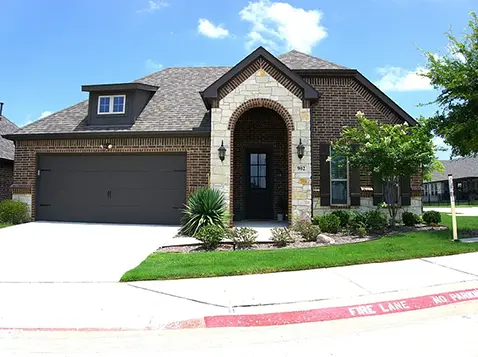
The Alliance corridor offers a different market. It stretches through north Fort Worth, Haslet, and the Eagle Mountain-Saginaw area. Master-planned communities continue to add new homes. Growth is supported by the Alliance Texas employment hub and Toyota Motor Manufacturing Texas. Knowing which corridor fits your budget, lifestyle, and priorities is the first step in a Fort Worth home search.
The biggest mistake buyers and agents make in Fort Worth is treating it as an extension of Dallas. The cities share a metroplex, but Fort Worth has its own employment base, architectural traditions, school districts, and buyer demand. Major anchors such as American Airlines, BNSF Railway, Lockheed Martin at Carswell, Cook Children’s, and AllianceTexas create housing demand tied to Fort Worth’s own economic corridors rather than Dallas’s North Tollway market.
Local regulations also matter. The Fairmount-Southside Historic District operates under Fort Worth’s historic preservation ordinance, with exterior changes to contributing properties requiring a Certificate of Appropriateness. Tarrant County property taxes and appraisal practices differ from Dallas and Collin counties, while school boundaries can shift buyer demand dramatically. Depending on the address, a Fort Worth home may fall within Fort Worth ISD, Crowley ISD, Eagle Mountain-Saginaw ISD, or Keller ISD, making address-level research essential before buying or selling.
Fort Worth has grown rapidly over the past two decades. The U.S. Census recorded about 918,000 residents in 2020, making it the 13th-largest U.S. city and fifth-largest in Texas. Current estimates place the population above 950,000. This growth is supported by major employers. American Airlines has about 25,000 employees in the area. AllianceTexas covers more than 27,000 acres and supports over 60,000 jobs across logistics, manufacturing, and aviation.
Home values vary widely across Fort Worth. Established mid-city neighborhoods often fall around $250,000 to $350,000. Premium areas such as Monticello can exceed $500,000. New construction in the Alliance corridor also reaches higher price points. Fort Worth’s historic housing stock adds another layer. The Fairmount-Southside Historic District includes a large collection of homes from the 1910s through 1930s. School options also vary by corridor, with Fort Worth ISD serving the urban core and Keller ISD and Eagle Mountain-Saginaw ISD serving key northern growth areas.

Fort Worth is not one market and choosing between Fairmount, the Cultural District, the TCU corridor, and the Alliance area requires understanding what each one actually delivers in terms of home age, price range, commute implications, school district, and lifestyle character. The table below maps the key differences so you can identify which corridor deserves your attention before you spend weekends touring homes in four different parts of a 300-square-mile city.
| Factor | Fairmount / Near Southside | Cultural District | TCU Area | Alliance Corridor |
|---|---|---|---|---|
| Home Era | 1910s–1930s Craftsman | 1920s–1950s Tudor, Colonial | 1940s–1970s ranches | 2000s–present new builds |
| Price Range | $300K–$600K | $500K–$1.2M+ | $350K–$650K | $380K–$650K |
| Historic Rules | Yes, exterior changes reviewed | Varies by address | Deed restrictions only | HOA/MUD rules |
| School District | FWISD, verify address | FWISD, varies by campus | FWISD | EMSISD or Keller ISD |
| Lifestyle | Most walkable; Magnolia/Near Southside | Museums, walkable blocks | TCU, dining, neighborhood streets | Car-dependent, planned amenities |
| MUD Taxes | None | None | None | Common; adds ~0.3%–0.6% |
| Older-Home Risk | High; foundation, systems, compliance | Moderate–high; renovation varies | Lower; postwar construction | Low; newer homes, warranties |
Is Fort Worth's historic district process restrictive?
It is generally comparable to Dallas conservation district review. In Fairmount, exterior changes visible from public areas may require a Certificate of Appropriateness. The process focuses on preserving original materials, architectural character, and compatible additions. Buyers planning renovations should contact Fort Worth Historic Preservation before purchasing to understand what changes are likely to receive approval.
Is the Cultural District premium worth paying?
For many buyers, the premium reflects more than the ZIP code. Monticello and Museum Place offer limited inventory, mature trees, established architecture, and convenient access to the Kimbell and Amon Carter museums. Because these neighborhoods are largely built out, there is little new construction competing with existing homes. Buyers who value walkability, character, and long term neighborhood stability may find the premium worthwhile.
Is the Alliance corridor similar to Frisco?
Yes, especially in newer master planned communities. Many properties carry MUD taxes in addition to county, school district, and city taxes, which can raise the overall tax burden. Builder contracts are generally structured with fixed pricing, but incentives such as rate buy downs, closing cost assistance, and upgrades may be negotiable. Buyers should compare the full monthly cost, not just the purchase price.
Does the specific Fort Worth ISD campus matter?
Yes. Fort Worth ISD covers a large area, and school quality and buyer demand can vary significantly between individual campuses. Buyers should verify the assigned elementary, middle, and high schools for each property rather than relying only on the district name in a listing. Because attendance boundaries can change, confirming the current assignment directly with the district is an important part of due diligence.
What is the commute from Fort Worth to Dallas?
Commutes to Mid Cities employment areas such as Grapevine, Southlake, and Coppell can often take about 25 to 40 minutes depending on traffic and location. Reaching central or eastern Dallas can take 45 to 65 minutes or longer during peak periods. Buyers who work east of Fort Worth should test their actual commute before choosing a neighborhood, since daily travel time can significantly affect long term satisfaction.
Fort Worth rewards buyers who take the time to understand which part of the city matches their lifestyle, their commute, and their long-term financial goals. Ron Mitchell has worked transactions in this market and knows how the four main corridors differ in ways that matter before you make an offer. Reach out to start a conversation about your specific situation.
WhatsApp us